Crafting a compelling narrative often feels like alchemy, especially when you're working with the exciting potential of generated plot ideas. But even the most brilliant core concept can fall flat without a vital ingredient: the seamless integrating characters and settings into generated plots. It's not just about adding people and places; it's about making them indispensable parts of the story's DNA, evolving together through conflict and consequence.
This isn't an academic exercise; it's the secret to stories that resonate, that feel lived-in and real. Let's peel back the layers and discover how to fuse your characters and worlds into a cohesive, unforgettable narrative.
At a Glance: Mastering Narrative Integration
- Characters need to feel real: Start with archetypes, layer in unique details, give them compelling goals and reasons, and reveal their true selves through their actions in the plot.
- Settings are dynamic story elements: Assess their importance, immerse readers with sensory details, and ground them in authenticity through research.
- Synergy is key: Character, plot, and setting aren't separate entities; they're an interconnected system, constantly influencing each other.
- Conflict is the glue: Internal, external, and even setting-based conflicts drive the narrative, evolving characters and pushing the plot forward.
- Learn from the greats: Fantasy epics provide rich examples of how characters, worlds, and plots intertwine to create deep, lasting impressions.
- Go deeper: Employ subtext, symbolism, foreshadowing, and interconnected arcs to add layers of meaning.
- Craft satisfying endings: Ensure the climax brings together character growth, plot resolution, and setting impact for emotional resonance.
The Building Blocks: Crafting Irresistible Characters
Characters are the beating heart of any story. They're not just figures moving through events; they're the conduits through which your audience experiences the narrative. For a generated plot to truly sing, your characters need to be psychologically real, relatable, and driven.
Beyond Stereotypes: Starting with Archetypes
Think of archetypes as narrative shorthand, familiar templates that provide an immediate connection with your audience. The Hero, The Villain, The Mentor, The Innocent, The Everyman — these are powerful starting points. They offer a foundation of expectations you can then build upon or, even better, cleverly subvert.
You don't want a generic "Hero"; you want your Hero, flawed and unique. Beginning with an archetype simply gives you a recognizable silhouette to begin sketching.
The Art of Subtlety: Details That Define
Authenticity lives in the details. How does your character move? Do they fidget constantly, or do they hold themselves with stiff, unwavering posture? Do they have a nervous habit, a distinctive laugh, or a particular way of dressing? These aren't just cosmetic choices; they're non-verbal cues that imply personality traits, emotional states, and even backstory.
A character who constantly polishes an antique pocket watch might be meticulous, anxious, or clinging to a past memory. A slumped posture speaks volumes about confidence (or lack thereof). These small, specific observations breathe life into your creations.
Fueling the Journey: Goals and Motivations
A character without a goal is a passenger, not a driver. To avoid them feeling arbitrary, give them a purpose. What do they desperately want? Even more critically, why do they want it? Their motivations — whether rooted in fears, flaws, desires, or a complex personal history — are the engines of your plot.
This purpose doesn't have to be grand. Perhaps they want to escape a bad situation, find love, or simply understand themselves better. The core is that their personality and past directly inform their drive, making their actions feel organic and inevitable.
Actions Speak Louder: Revealing Character Through Plot
"Show, don't tell" isn't just a writing cliché; it's a fundamental truth for character development. Instead of lengthy descriptions of your character's personality, let their responses to the plot's unfolding events and problems reveal who they are.
Does your character face a moral dilemma with unwavering integrity, or do they falter? Do they run from danger or confront it head-on? Their choices, sacrifices, and reactions in moments of crisis will tell your reader more about their true nature than any paragraph of exposition ever could. The plot becomes a stage where their character is performed.
World-Building Wonders: Designing Engaging Settings
Settings are far more than just pretty backdrops. They are dynamic story elements that can influence mood, restrict choices, introduce conflict, and even act as characters themselves.
More Than a Backdrop: Assessing Setting's Role
Before you dive deep into creating a world, ask yourself: how important is this setting to my story? Does the plot insist on a specific kind of place and time, or are there several viable options? For instance, a story about navigating a futuristic megacity's class system demands that specific setting, while a personal drama might unfold anywhere.
Sometimes, subverting reader expectations of a certain setting — a cozy, idyllic village hiding a dark secret, or a desolate wasteland teeming with unexpected beauty — can spark incredible creativity and unique plot points.
A Sensory Feast: Immersing Your Readers
To truly immerse your reader, engage all their senses. What does this created world look like, sound like, smell like? Is the air thick with the scent of pine and damp earth, or acrid with industrial fumes? Do ancient bells chime softly in the distance, or does the hum of hovering vehicles fill the air?
These sensory details don't just create atmosphere; they subtly influence character actions and emotional states. A character might feel on edge in a setting filled with jarring noises, or find solace in a tranquil forest, which in turn affects their decisions.
The Power of Fact: Research for Authenticity
Even in fantastical worlds, authenticity matters. If you're drawing inspiration from real-world locations or historical periods, a little research goes a long way. The internet, Google Earth, and Street View are invaluable tools for understanding the nuances of a place you can't physically visit. For an exciting story that keeps readers hooked, you might even consider using a powerful story plot generator to kickstart your creative process and ensure your narrative has a strong foundation before diving into these intricate details. generate a story plot
Authenticity lends credibility to your setting, allowing readers to suspend disbelief more easily, whether it's the specific architecture of a medieval town or the flora and fauna of an alien planet.
The Unbreakable Triangle: Character, Plot, Setting in Harmony
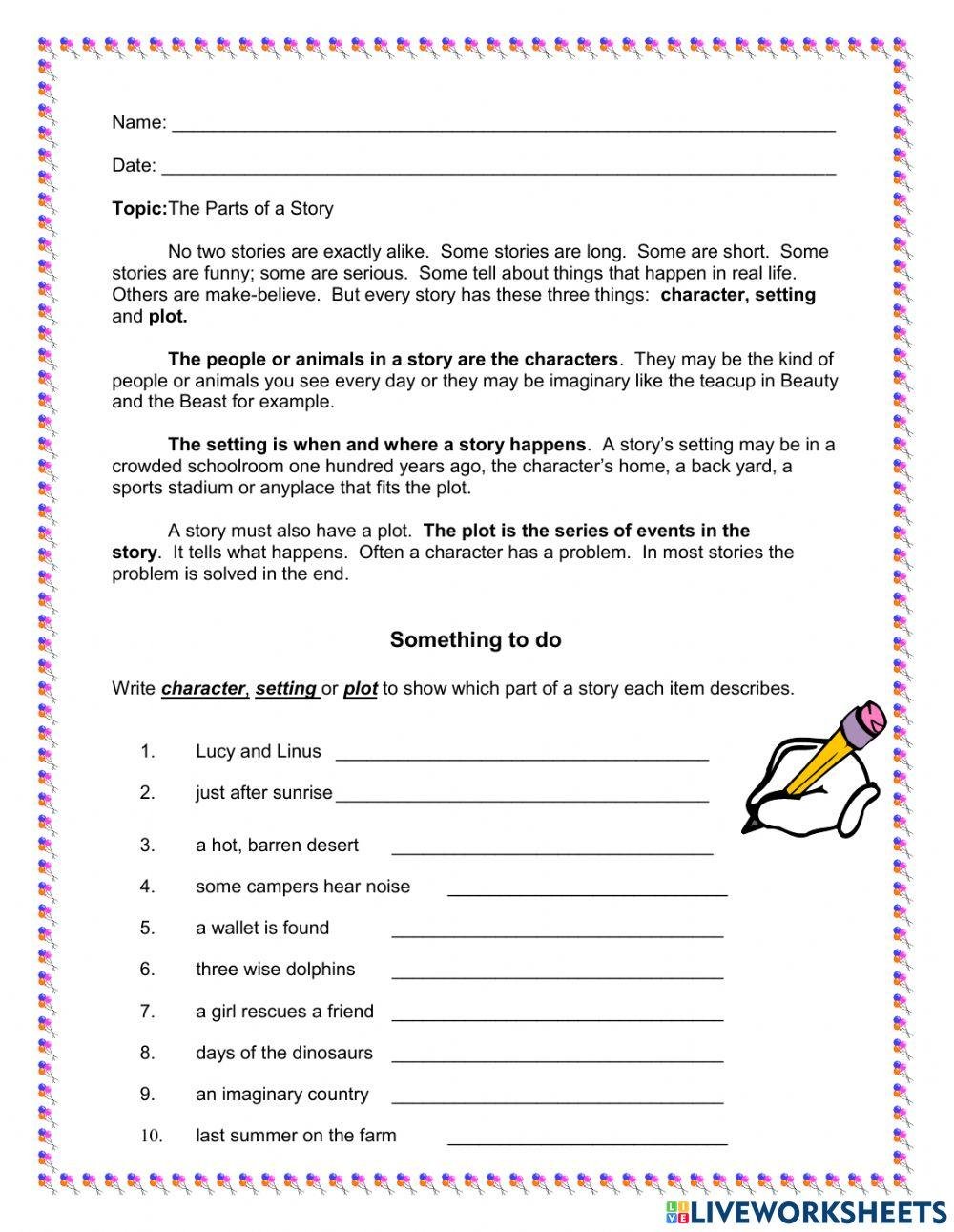
At the heart of every truly memorable story lies a profound synergy between its cardinal elements: character, plot, and setting. They are not independent gears but cogs in a single, intricately designed machine, constantly influencing and transforming one another.
- Characters are the heartbeat. They serve as emotional touchpoints, the "who" and "why" of the story. While shaped by the plot's demands and the setting's constraints, they also act as catalysts, influencing and changing both the plot and the world around them.
- Plot is the backbone. It provides the structure, the "what happens next," and propels characters towards change and discovery. Yet, a truly dynamic plot is flexible, adapting to the unforeseen actions of its characters and the ever-present influences of its setting.
- Setting is the dynamic canvas. More than just where things happen, it's an interactive force. It dictates available resources, influences character choices, sparks plot developments, and can even become a source of conflict itself, adding thematic depth and texture.
Conflict: The Indispensable Glue
What binds this powerful trio together, making them inseparable and vibrant? Conflict. It is the friction that drives characters to evolve, pushes plots toward their climaxes, and weaves the setting deeply into the narrative fabric.
The Inner Storm: Internal Conflicts
These are the psychological underpinnings of your characters: their fears, desires, moral dilemmas, and conflicting loyalties. Internal conflicts provide depth and relatability, making characters feel human and complex. They directly drive a character's actions and often generate external conflicts as a result. A character's internal struggle with self-worth, for example, might lead them to take on an impossible external quest.
The Outer Battle: External Conflicts
These are the manifest battles, confrontations, and challenges that characters face. They move the plot forward, demanding action and reaction. External conflicts catalyze character development by forcing them to make difficult choices, overcome obstacles, and adapt. They often reflect broader issues or tensions inherent in the setting, such as a battle against an oppressive government or a struggle for survival against a harsh natural environment.
When the World Fights Back: Setting as Conflict
The setting itself can be a potent source of conflict. It's not just a backdrop; it's an antagonist, a challenge, or a mirror reflecting deeper issues.
- Physical Obstacles: Natural landscapes like treacherous mountains, scorching deserts, or unforgiving oceans can present direct survival challenges.
- Social/Cultural Structures: A setting's inherent class systems, deeply ingrained prejudices, or cultural taboos can create profound social conflicts for characters.
- Political Environments: Dystopian regimes, warring factions, or a fragile peace built on secrets can generate large-scale political conflicts that characters must navigate or fight against.
When the setting actively generates conflict, it becomes an integral part of the story, making the world feel alive and consequential.
Weaving Magic: Examples of Synergy in Action
Great stories don't just feature characters and settings; they integrate them so completely that one cannot exist meaningfully without the others. Let's look at how fantasy stories master this synergy.
Heroic Journeys and Immersive Worlds (e.g., The Lord of the Rings)
Consider Frodo's quest in The Lord of the Rings. The entire plot is a quest-oriented journey shaped by the immense task of destroying the One Ring. This plot, in turn, relentlessly shapes Frodo's character development, forcing him to confront his fears and limits. But it's Middle-Earth, the rich, detailed setting, that deepens both the plot and character conflicts. The ancient evils of Mordor, the elven sanctuaries, the treacherous paths — each location poses unique challenges, reveals aspects of character, and adds layers of history and thematic resonance to the narrative. Without Middle-Earth, the journey would lose its weight, its danger, and its profound sense of struggle.
Systems of Wonder: Magic, Politics, and Identity (e.g., Brandon Sanderson's Mistborn)
In Sanderson's Mistborn, the unique magic system of Allomancy isn't just a cool power; it's intricately woven into everything. The plot mechanics revolve around it — Allomantic powers are tools, obstacles, and sources of power. This magic system also defines the setting's socio-political landscape, creating a rigid class structure (Mistborn lords vs. Skaa) and an oppressive ruling empire built on fear and scarcity. Consequently, it profoundly shapes character identities and motivations. Vin, the protagonist, grapples with her identity as a powerful Mistborn in a world designed to suppress her kind. Her internal and external conflicts are inseparable from the magic and the world it created.
Cultural Tapestries and Ideological Wars (e.g., A Song of Ice and Fire)
George R.R. Martin's A Song of Ice and Fire (and Game of Thrones) is a masterclass in how distinct cultures and political rivalries define character behaviors and decisions. The stark differences between the North (House Stark) and the South (House Lannister) are not just geographical; they are ideological, ethical, and cultural. These deep-seated conflicts drive the entire plot, leading to betrayals, wars, and alliances. The setting's diverse regions, each with its unique customs and history, directly shape the characters inhabiting them, leading to conflicts rooted in clashing worldviews that enrich the entire narrative.
The Crucible of the World: Setting as Protagonist's Test (e.g., Kvothe in The Kingkiller Chronicle)
Patrick Rothfuss's The Kingkiller Chronicle sees the setting itself constantly generate challenges for its protagonist, Kvothe. The University, a place of academic rigor and cutthroat social dynamics, demands intellectual prowess and cunning. The various regions of the Four Corners introduce economic hardships, mythical creatures, and unique social structures. Kvothe's conflicts — be they social, economic, or existential — are deeply rooted in the world's folklore, its diverse cultures, and the very specific challenges each location presents. The setting is less a backdrop and more an active force, testing and refining Kvothe at every turn.
Deeper Dimensions: Elevating Your Narrative
To truly make a story resonate, you can go beyond surface-level integration and explore the deeper connections between your core elements.
Echoes and Omens: Subtext, Symbolism, and Foreshadowing
Setting elements can be imbued with powerful subtext and symbolism. In Ursula K. Le Guin's Earthsea novels, the vast, unpredictable Ocean isn't just a body of water; it symbolizes the unknown, the perilous journey of self-discovery, and the balance of magic itself. It reflects Ged's internal conflicts and the grand themes of the series.
Similarly, the setting can contain hidden elements or clues that become crucial to future plot points, effectively foreshadowing. Think of Hogwarts in Harry Potter, with its secret passages, hidden chambers, and ancient lore. The castle itself holds secrets that are directly tied to the unfolding mysteries and the climax of the story.
Characters Forged in Fire: The Dynamic Duo of World and Will
Truly dynamic characters are not static; they change and grow, often as a direct consequence of their interactions with the world around them. Geralt of Rivia in The Witcher series is a prime example. The complex setting — a morally ambiguous world rife with politics, warring cultures, and dangerous monsters — actively challenges his neutrality and forces him to make impossible choices. These challenges, born from the setting, continuously shape Geralt's evolving philosophy and identity.
Cascading Consequences: Interconnected Story Arcs
In epic narratives like Robert Jordan's Wheel of Time, the journeys of multiple protagonists interact and resonate through a shared, diverse world. Each character's actions, influenced by their personal motivations and the unique aspects of their immediate setting, have wide-reaching consequences that ripple across the entire world, affecting other characters and shaping the global plot. This interconnectedness makes the world feel vast and alive, where every choice matters.
Landing the Story: Crafting Impactful Endings
A truly satisfying conclusion is where character, plot, and setting converge into an emotionally charged, cohesive experience. It's not just about resolving conflicts; it's about making that resolution feel earned, resonant, and deeply significant.
The Emotional Crucible: Settings That Define Resolution
Consider the arduous trek to Mount Doom in The Lord of the Rings. Mount Doom isn't merely the destination; it's the crucible that amplifies Frodo's internal and external conflicts, testing his resolve to the absolute breaking point. Its oppressive atmosphere and destructive purpose define the very nature of his quest and ultimate sacrifice. The setting transforms into a symbol of both peril and ultimate deliverance, making the resolution intensely personal and thematically profound.
Payoffs That Resonate: Transforming Characters and Worlds
In Mistborn, the resolution of the oppressive Final Empire's regime integrates Vin's character development (her journey from street urchin to world-saver) with the overarching plot of rebellion. The climax doesn't just change her; it fundamentally transforms the world itself, ushering in a new era. The payoff is a cathartic experience where character arcs and plot resolutions are inextricably linked to a tangible change in the setting.
Echoes Beyond the Page: Open Doors in Closed Narratives
An ending can provide profound closure while also hinting at future possibilities, allowing the setting to remain an evolving entity. While some narratives offer a definitive "happily ever after," others, like A Song of Ice and Fire, might leave certain questions unanswered or new conflicts brewing. This approach allows the characters' choices to have long-lasting, sometimes cosmic, repercussions that transform multiple worlds, tying personal arcs to universal themes, as seen in His Dark Materials. It suggests that even though one story is complete, the world continues to turn, offering a sense of enduring reality.
Ultimately, the art of integrating characters and settings into generated plots isn't about following a rigid formula. It's about understanding the dynamic interplay between these essential elements, letting them inform and challenge one another, and always remembering that conflict is the engine that drives them forward. By making your characters, their journeys, and their world inseparable, you're not just telling a story; you're building an experience that will captivate and resonate with your readers long after they turn the final page. Now, go forth and weave your magic!